
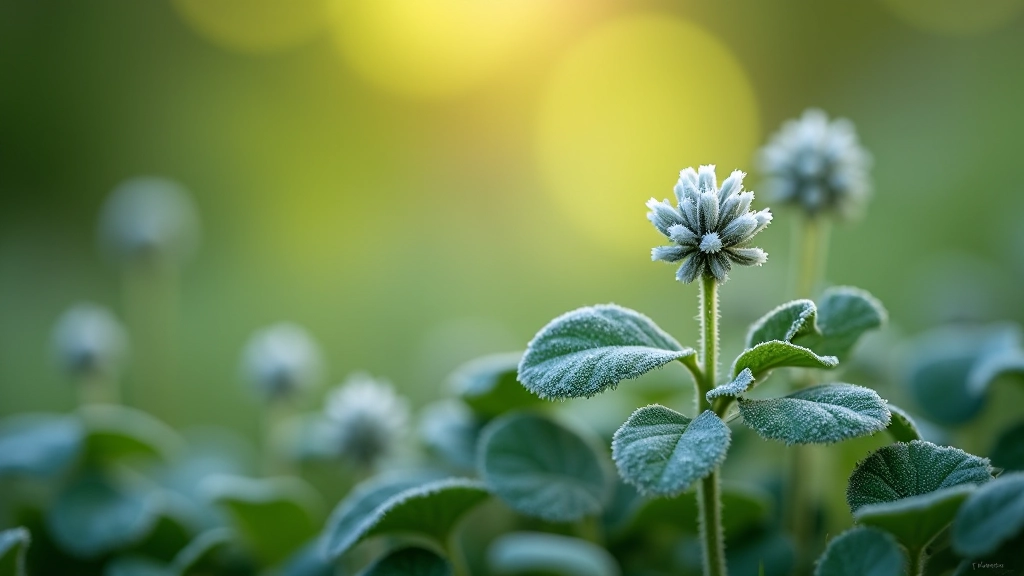
Macro Photography in Bohemian Forests
Getting close to nature reveals details you’ll miss otherwise. Here’s how to find and photograph the small wonders.
Discover the best times and locations to capture golden light across Bohemian landscapes. We’ve mapped five prime viewpoints where light hits perfectly.
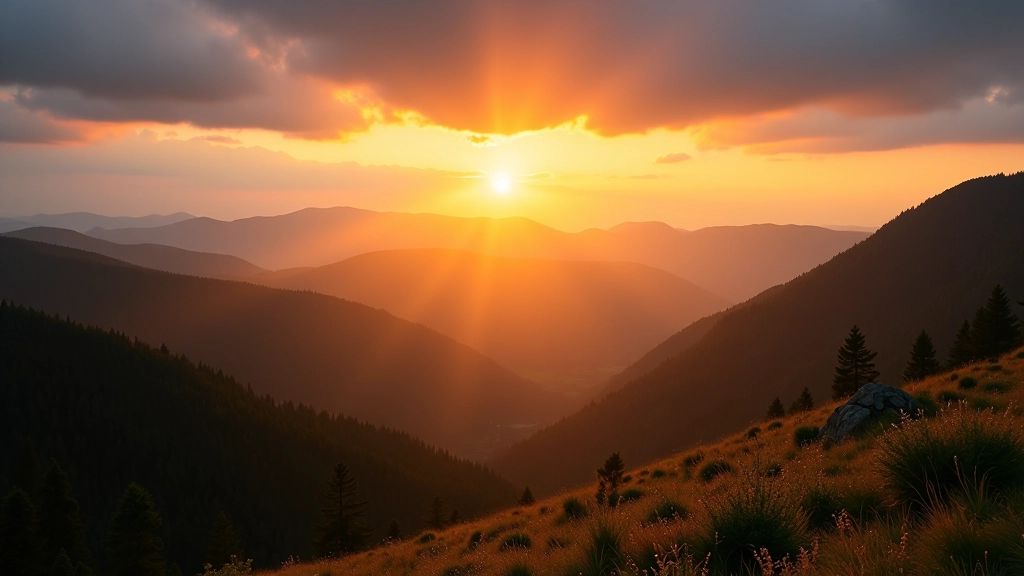
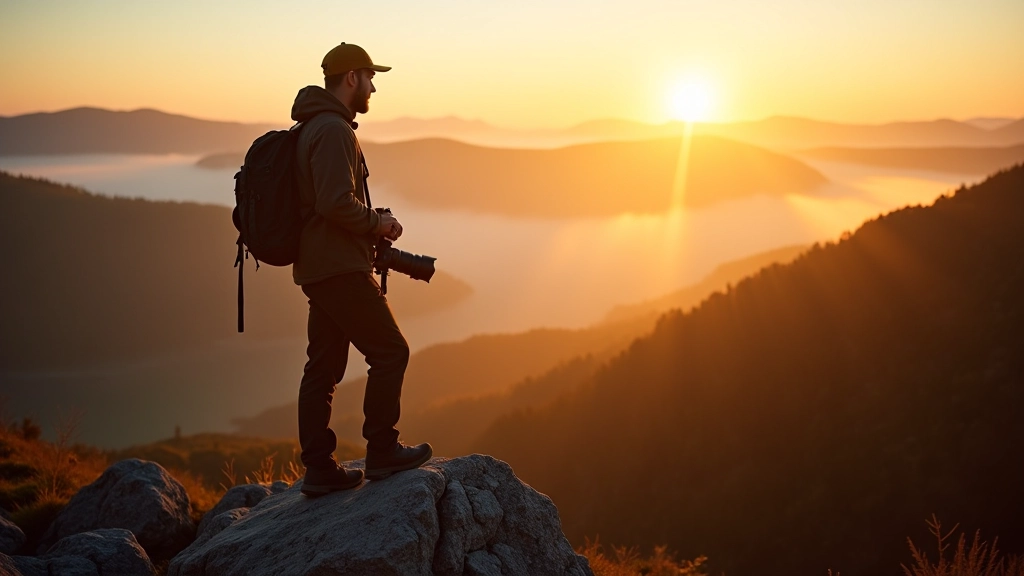
Golden hour is that magical window when the sun sits low on the horizon. It’s usually 30-60 minutes after sunrise or before sunset, depending on the season and latitude. You’ll notice the light turns warm, soft, and directional — nothing like the harsh midday sun.
In Czech landscapes, this light transforms ordinary viewpoints into something extraordinary. The Bohemian hills get these deep amber tones, shadows become rich and detailed, and even a simple stone wall looks like it’s glowing. It’s not magic — it’s physics. But it sure feels like magic when you’re standing there watching it happen.
Minutes of prime shooting time per session
Hours different between summer and winter timing
Prime Czech viewpoints we’ve tested extensively
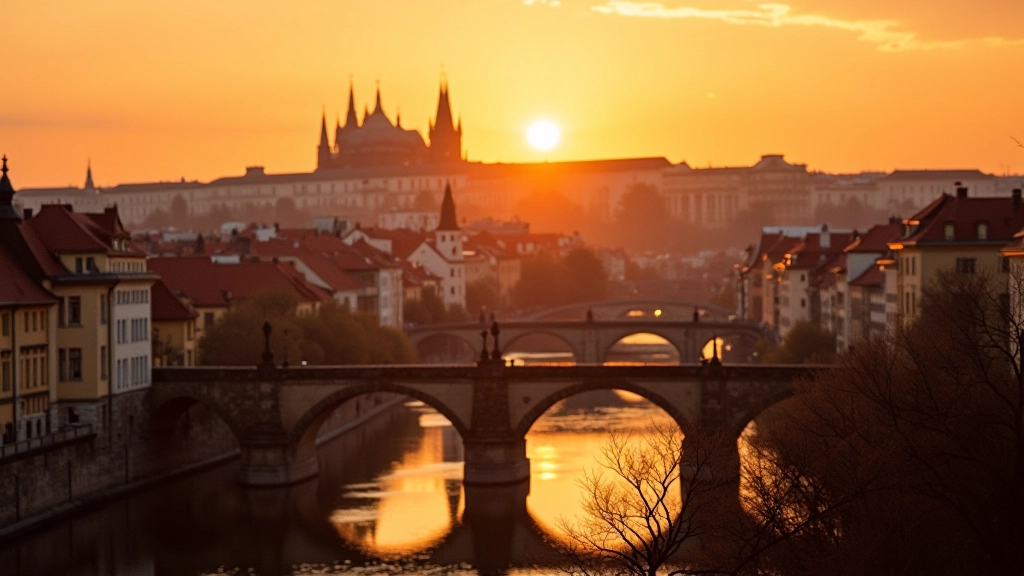
Žižkov Tower dominates Prague’s skyline, and the viewpoint on its upper floors offers something you won’t find elsewhere — golden hour hitting an urban landscape from above. The city sprawls beneath you in warm tones, with the Vltava River catching light like polished copper.
Best time? Late April through August, shoot around 20:00-20:45. Winter’s golden hour happens around 16:30, but the sun dips too quickly behind the surrounding buildings. You’ll want a tripod here because the viewing platform can get crowded. Most photographers shoot from the eastern side where the light’s hitting the city center directly.

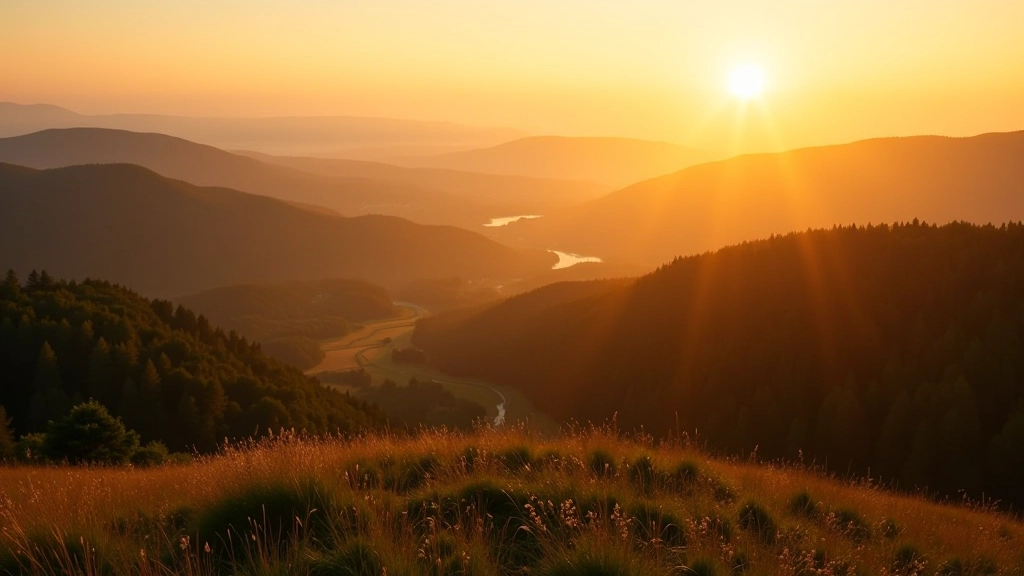
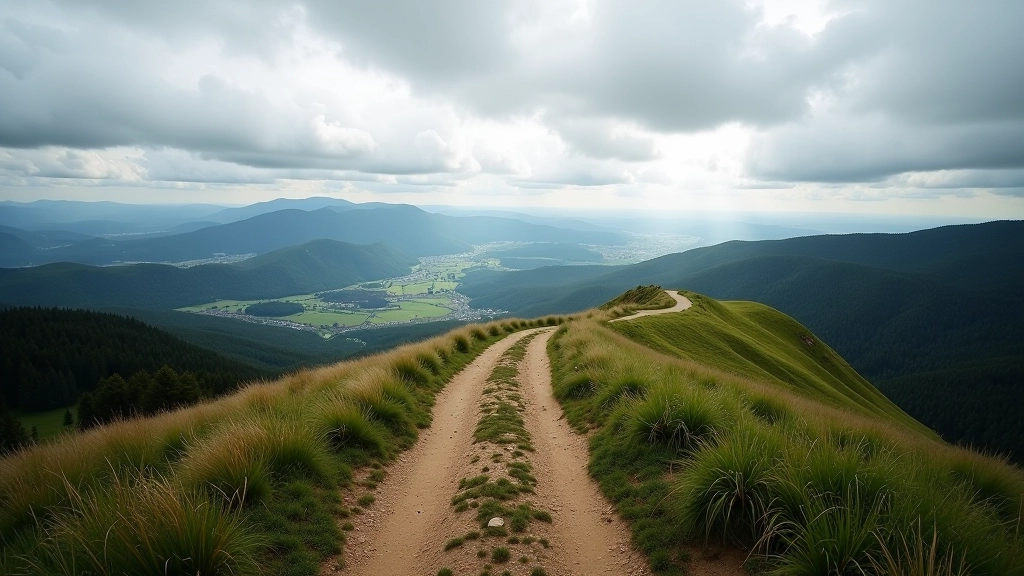
Šumava’s the real deal for landscape photographers. You’ve got dense forest, mountain valleys, and viewpoints where you can see 50+ kilometers on a clear day. The golden hour light filtering through the trees creates this three-dimensional effect that’s nearly impossible to capture in midday shots.
Arber viewpoint works great — you’re at 1,457 meters with views across the Czech-German border. The light hits the forest canopy differently than open hillsides. You’ll get warm tones on the trees closest to you and cooler shadows in the valleys beyond. Timing matters here: May through September, you’ve got solid golden hour from 20:15-21:00. In March and October, it’s earlier — around 19:00-19:30.
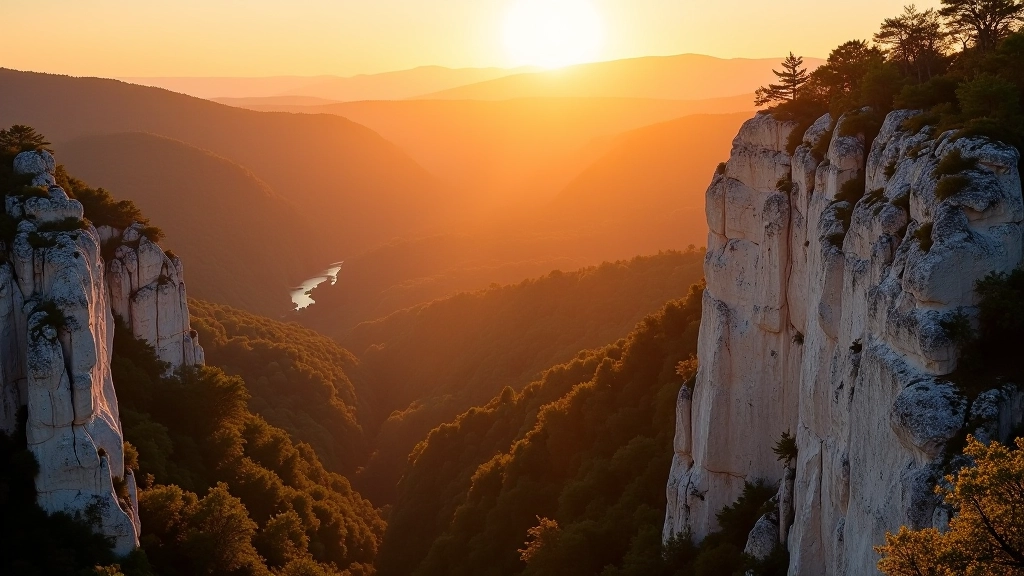
Pálava’s limestone cliffs create a completely different golden hour experience. You’re not shooting landscape vistas — you’re capturing texture and form with light that’s almost horizontal. The white limestone catches gold like nowhere else in the country.
The best approach? Position yourself so the sun’s behind the cliffs, lighting their edges. You’ll get halos and rim lighting on the rock formations. This works spring through fall, with peak timing around 20:30-21:15 in June and July. Bring a polarizing filter to cut glare off the stone. The light’s intense here, and your camera’s sensor will thank you for the reduction in harsh reflections.
The light’s beautiful, but it changes fast. Here’s what actually works when you’re out there shooting.
The bright sky fools your meter. Use -1 to -2 exposure compensation to keep the landscape exposed. Your foreground matters more than the sky.
Shoot in RAW. Auto white balance will neutralize the warm tones you’re chasing. Use daylight (5500K) or even slightly cooler settings, then adjust in post.
Put your horizon in the lower third if the sky’s dramatic. If you’re focused on ground details, horizon can sit higher. The light’s doing most of the work anyway.
Thin clouds are your friend. They diffuse the light and bounce it around, creating softer shadows. Heavy clouds kill the effect entirely.
Golden hour isn’t complicated. You don’t need expensive gear or special knowledge. You need to be at the right place when the sun’s at the right angle. That’s it.
Start with one location. Visit it multiple times across different seasons. You’ll notice how the light changes, where the shadows fall, which directions work best. The Czech landscape gives you plenty of variety — from urban views to mountain forests to dramatic cliff faces. Pick your spot, check the sunset time, and be there 30 minutes early.
The light’s waiting. It happens every single day. Most people miss it because they’re not looking.
Explore More Photography GuidesThis article is educational material designed to help you understand golden hour photography and Czech viewpoints. Specific times and locations are provided as general guidance based on typical conditions. Actual golden hour timing varies by date, season, latitude, and local geography. Always check current weather conditions, trail accessibility, and local regulations before visiting any viewpoint. Weather, cloud cover, and atmospheric conditions will affect lighting and results. Photography techniques described are suggestions based on common practices and may need adjustment based on your specific equipment and conditions.