
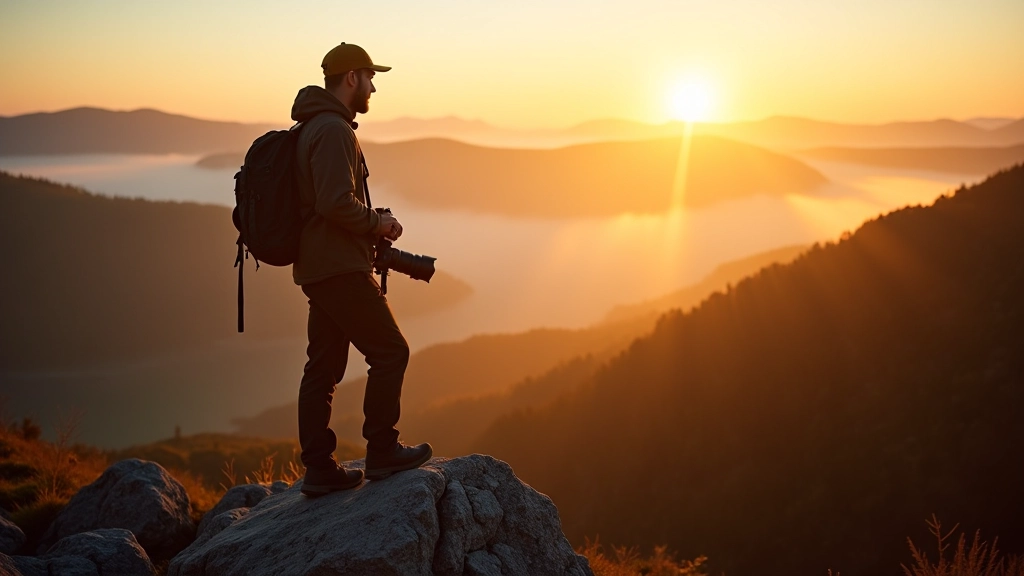
Why Gear Matters on a Photography Walk
You don’t need the most expensive equipment to capture stunning photos, but you do need the right gear for your specific situation. When you’re walking for hours across Czech hillsides or navigating forest trails, weight, comfort, and reliability become everything.
The difference between a memorable shoot and a frustrating one often comes down to preparation. We’re talking proper camera support, adequate battery life, and protection from sudden weather changes. It’s not complicated — you just need to know what actually matters.
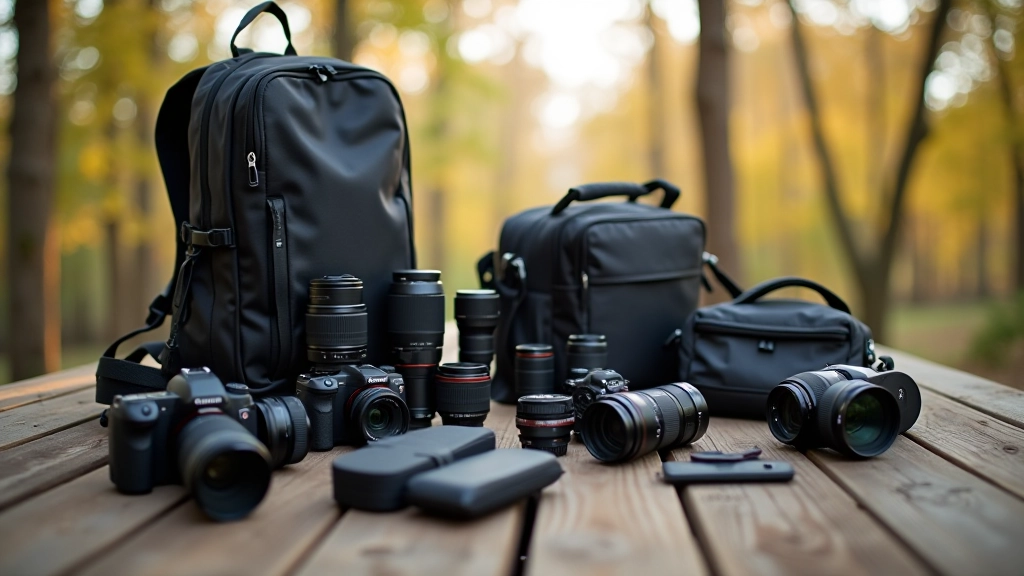
Camera Body: The Foundation
Your camera body is where everything starts. For landscape and nature photography walks, you’re looking at either a DSLR or mirrorless system. The choice depends on your priorities — DSLRs tend to be heavier but have longer battery life, while mirrorless cameras are lighter and more compact.
Weight matters more than you’d think. If you’re carrying your camera for 4-5 hours, even 200 grams makes a difference by the end of the walk. We’d suggest starting with something in the 500-700 gram range if possible. Battery life should be at least 400-500 shots per charge — you’ll want at least two batteries with you.
Sensor size influences what you can achieve. Full-frame sensors excel in low light and deliver sharper detail, but crop sensor cameras are lighter, more affordable, and honestly, they’re fantastic for landscapes. Don’t overthink this part.
The Right Lenses for the Walk
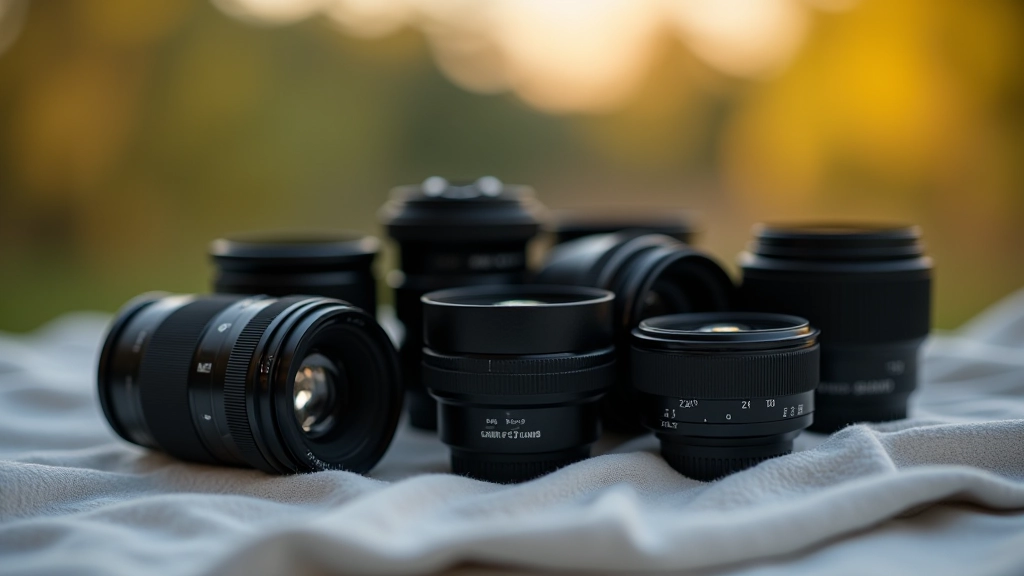
Don’t bring every lens you own. That’s the first lesson. A good two-lens setup — typically a 24-70mm and a 70-200mm — covers most landscape and nature situations. But if you’re hiking light, even a single quality zoom lens works beautifully.
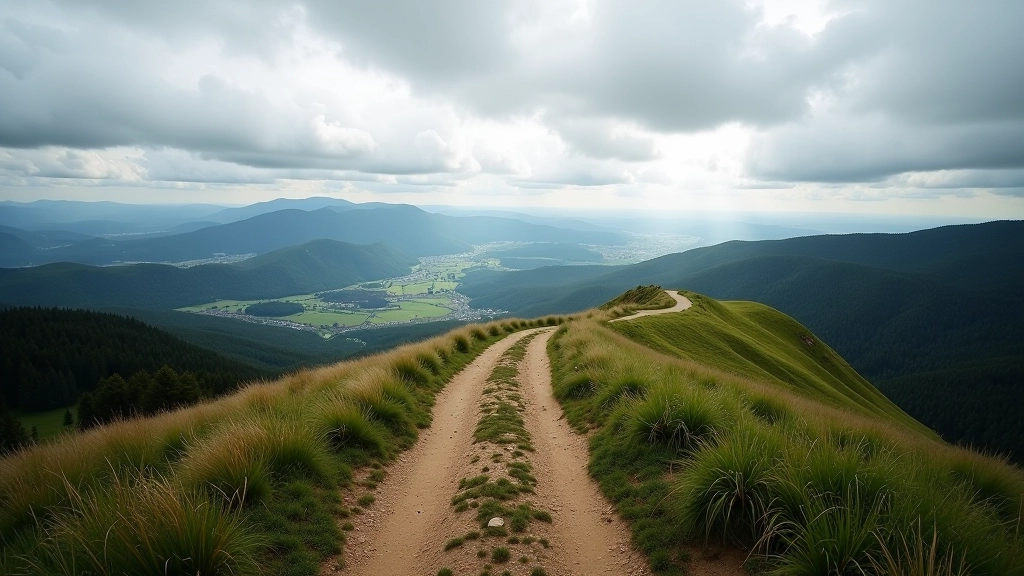
Wide-angle lenses (14-35mm) are essential for landscape work. They’re what you’ll use most on a Czech viewpoint walk, capturing expansive valleys and dramatic skies. A telephoto lens (100-300mm) helps you isolate distant subjects and compress perspective, which is perfect for those moody forest details.
Consider lens weight carefully. A lightweight prime lens (35mm f/2 or 50mm f/1.8) adds minimal weight but delivers exceptional image quality. Zoom lenses offer flexibility but come with extra weight. The balance between versatility and carrying comfort is something only you can decide based on your walk duration and fitness level.
Camera Support: Tripods & Stabilization
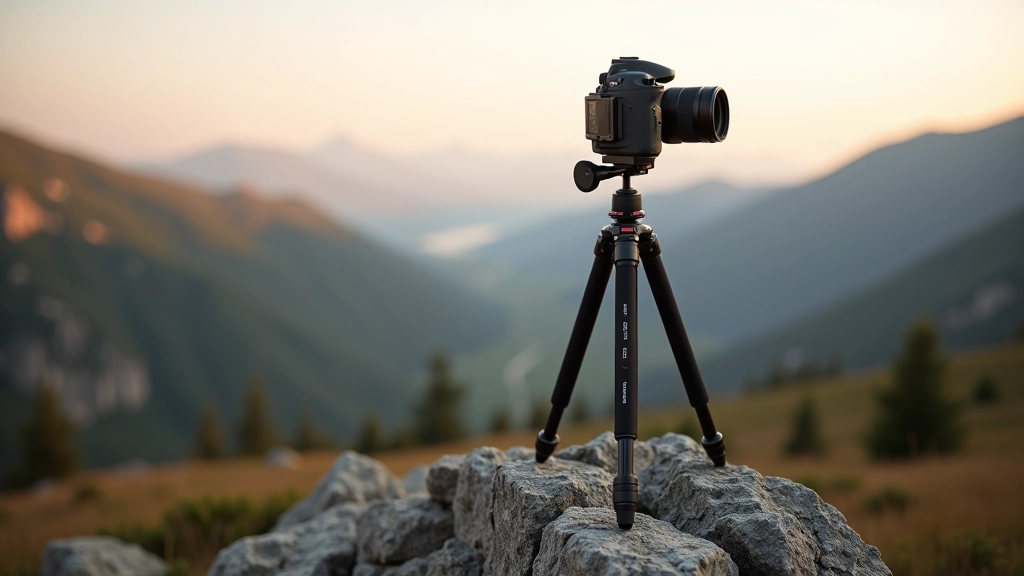
Here’s where many photographers make their first mistake. They either skip a tripod entirely or bring something too heavy to actually use comfortably. A good tripod for hiking needs to be lightweight (under 1.5kg), stable enough for longer exposures, and quick to set up.
Carbon fiber tripods are worth the investment. They weigh less than aluminum, won’t freeze your hands in cold weather, and they’re surprisingly durable. Look for models with quick-release mechanisms — you don’t want to waste 5 minutes setting up when light is changing rapidly.
Don’t underestimate monopods either. They’re lighter, easier to carry, and they work well for stabilizing telephoto shots. Many landscape photographers carry both — a lightweight tripod for landscapes and a monopod for flexibility.
Essential Accessories That Make a Difference
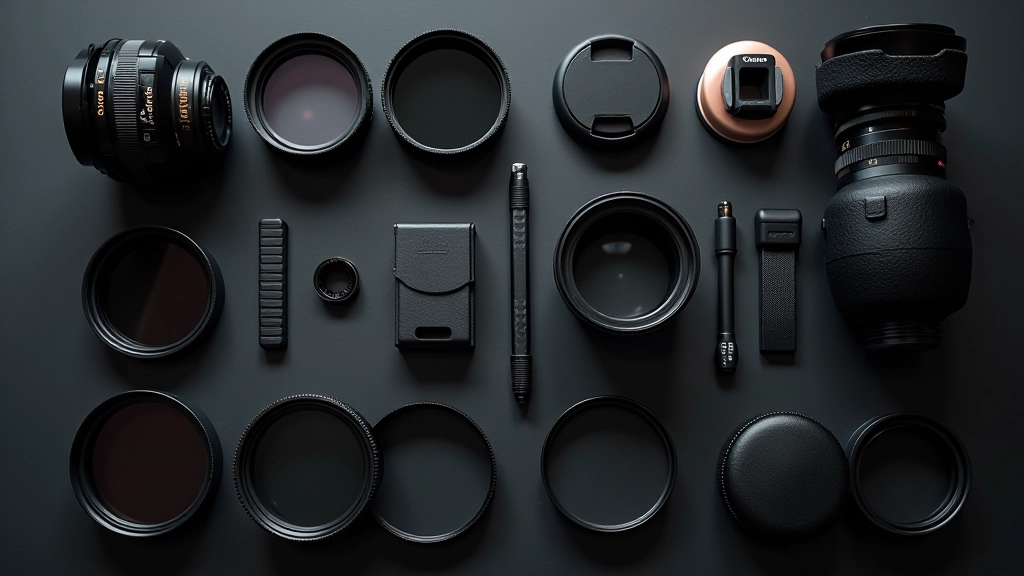
Filters are genuinely useful on landscape walks. A polarizing filter reduces glare and deepens skies — you’ll notice the difference immediately. Neutral density filters let you use longer shutter speeds in bright conditions, which is perfect for those silky-smooth water effects at Czech waterfalls.
Bring lens cleaning supplies. Dust, water droplets, and fingerprints happen constantly on outdoor walks. A microfiber cloth and lens cleaning pen weigh almost nothing but save countless photos. We’d also suggest a UV filter on each lens as protective glass — it’s cheap insurance against damage.
A good camera bag matters more than people realize. You want something that distributes weight evenly across your shoulders, offers quick access to lenses, and protects your gear from weather. Weather sealing — waterproof material and sealed zippers — becomes essential when you’re walking through unpredictable Czech spring weather.
Remote shutter releases (either wired or wireless) eliminate camera shake from pressing the button. They’re lightweight and invaluable for long exposures and self-portraits at scenic viewpoints. Consider bringing two batteries minimum — cold temperatures drain them faster than you’d expect.
Pack Smart, Shoot Better
The goal isn’t to carry the heaviest camera bag on the trail. It’s to bring exactly what you’ll use without sacrificing capability. Every item you pack should earn its place through weight, reliability, or image quality.
Start with a camera body, two good lenses, a lightweight tripod, and protective gear. That’s genuinely all you need for exceptional landscape photography. Add accessories as you learn what gaps exist in your workflow. You’ll naturally discover whether you need that second battery, those filters, or that monopod.
The best camera is the one you actually bring with you. And the best gear is what feels comfortable to carry for hours. Test your setup on shorter walks before committing to a full day hike. Your shoulders will thank you, and your photos will show the difference.
Disclaimer
This guide is educational and informational only. Equipment recommendations are based on general landscape photography practices and conditions commonly encountered in Czech outdoor locations. Individual needs vary based on personal fitness, experience level, specific locations, and weather conditions. Always check weather forecasts before outdoor photography walks, bring appropriate safety equipment for hiking, and consider hiring a local photography guide for unfamiliar areas. Prices and availability of photography equipment change frequently — research current options before purchasing. This content doesn’t constitute professional photography instruction or equipment endorsement.